

Herbs for Teenage Anxiety: How to Deal with Stress
Updated: Jul 21

Some people call teenage anxiety the queen of mental health struggles, especially in the U.S. where millions of people get diagnosed with anxiety every year. Anxiety happens for a wide variety of reasons, and it afflicts as many as 40 million adults in the U.S. alone. Unfortunately, anxiety disorders, including ADHD, are common among adolescents, too, with nearly 1 in 3 teens experiencing some form of anxiety by the age of 18.
There are ways to ease teenage anxiety (and I’m talking natural ways without pharmaceutical meds). Here, I’ll explore mindfulness, exercise, and top of the list: why your kitchen might just be the best tool you’ve got.
Mindfulness to Ease Anxiety for Teenagers
Mindfulness is like tapping the pause button on the chaos in your brain. It’s a thinking technique that can allow you to “blur the edges” so things aren’t so sharp. It’s about focusing on the now, rather than letting your thoughts spiral into the future or past. Think of it as training your mind to stay in one spot, like a loyal golden retriever, instead of letting it run wild.
How can you start? Try this: when you feel anxiety creeping in, stop and take three deep breaths, and just notice how your body feels. Are your shoulders tense? Is your jaw clenched? Relaxing your body can help send signals to your brain that you are safe and it doesn’t need to activate all the flight-or-flight mechanisms it’s ready to unleash.
Exercise to Ease Tension
Exercise magic can happen with just 30 minutes of moderate exercise (like brisk walking, dancing, or even gardening). Why? Because exercise releases endorphins, the feel-good chemicals in your brain that can help balance out stress hormones like cortisol.
Herbs or Foods to Ease Anxiety for Teens
What’s more, the ultimate way to fight teenage anxiety could be hiding in your pantry. It’s true, the foods you eat and the herbs you use can have a huge impact on how you feel. This is especially important for teens.
As an herbalist, I study and teach how herbs and nutrients chemically act in the brain. I teach how to use foods and herbs that naturally ease adult and teenage anxiety. The following herbs are some of the dozens of herbs and foods that can help you focus your thoughts positively, ease your response to stress, and feel better and more relaxed.
Ashwagandha (Withania somnifera)
This Ayurvedic herb calms nerves, reduces anxiety and eases how you react to stress. It helps you chill, and it can even be mildly sedative meaning it can help you sleep. If anxiety is keeping you up at night, try a teaspoon of ashwagandha powder in a cup of hot milk before bed.
Chamomile (Matricaria recutita)
Chamomile tea is soothing, fragrant and relaxing. Hot chamomile tea is known to help with anxiety and, as a mild sedative, can help you sleep. It’s also mildly bitter, meaning it is a good herb for digestion. This combination of gently sedative and bitter makes chamomile a great herb for when you’re so anxious you get butterflies in your stomach or you feel nauseous.
Lavender (Lavandula spp.)
High in fragrant essential oils, lavender can reduce feelings of panic and calm your senses. You can use lavender oil in a diffuser or add the flowers to tea, especially when you’re drinking something with catnip, nettles, or oatstraw—other herbs I describe in the Herbs for the Brain courses that are wonderfully nourishing and brain-supportive.
Motherwort (Leonura cardiaca)
In the mint family, this herb’s leaves taste wildly bitter, so motherwort doesn’t make a good tea (but check out this blog for how to make delicious honey-based herbal remedies). However, nibbling on one single leaf can help avert a panic attack, and taking it as a tincture (an herbal concentrate) can quickly ease feelings of anxiety and worry.
Aromatherapy for Anxiety
Where herbs are ingested and take time to work through the digestive system, aromatherapy is inhaled, and it works immediately because it triggers the limbic system in the brain. Quick-acting, aromatic therapies can be very useful for teens experiencing anxiety and stress, because they require no prescription, no ingestion of substances, and very little planning.
Teens can carry small, portable inhalers in their purse, pocket or backpack and use it as-needed. The inhaler should be prepped with the essential oil most needed by the teen (work with an aromatherapist to determine which oils are best).
Many teens experiencing anxiety, panic, fear or irritability respond well to bergamot, lemon balm, sweet orange, and cedarwood, to name a few. Lemon balm, Melissa officinalis, helps to focus a person who is feeling scattered while supporting the nervous system and feelings of relief. Sweet orange, Citrus sinensis, (and most citruses) help bring feelings of joy and contentment, easing irritability or anger. Cedar and most of the conifers such as pine and spruce (Cedrus, Juniperus, Pinus) help with grounding and feeling rooted, calming anxiety and helping a person feel more stable. They help calm jittery behavior and ground the mood so people can make calm decisions and act in a more relaxed manner with discipline and confidence.
I encourage teens to speak freely with their parents or guardians about teenage anxiety and to work closely with experts such as herbalists and aromatherapists to develop a plan that complements their other therapies.
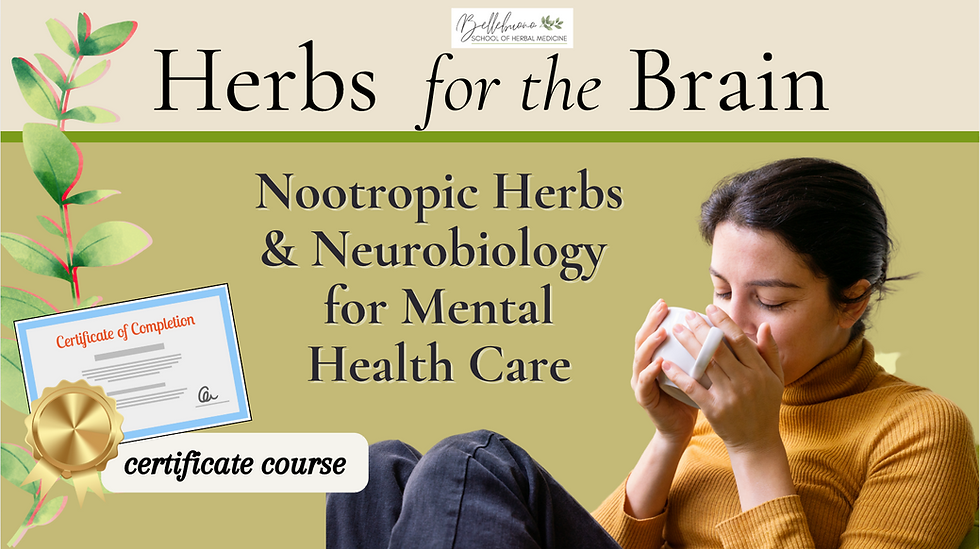
Earn 13 CEUs in the Herbs for the Brain Course
The Herbs for the Brain program is the only online accredited course for health professionals to learn how to integrate herbs and nutrients for mental health safely and effectively. Designed for nurses, acupuncturists, social workers, herbalists, aromatherapists, counselors, and other health care professionals, this course is evidence-based and provides 13 CEUs by the California Acupuncture Board (CAB) and is eligible for nurses and other care providers in Massachusetts, Texas, and other states. The BSHM is CAB provider #1842.
Application for enrollment opens twice per year; go here for more details.
To enroll in the Aromatherapy for Mental Health Course, go here.
Nothing on this page or website is intended to treat, diagnose, cure or prevent any disease. This page and website is for information and educational purposes only.


Comments