Purgatives: A Brief History
Mar 04, 2025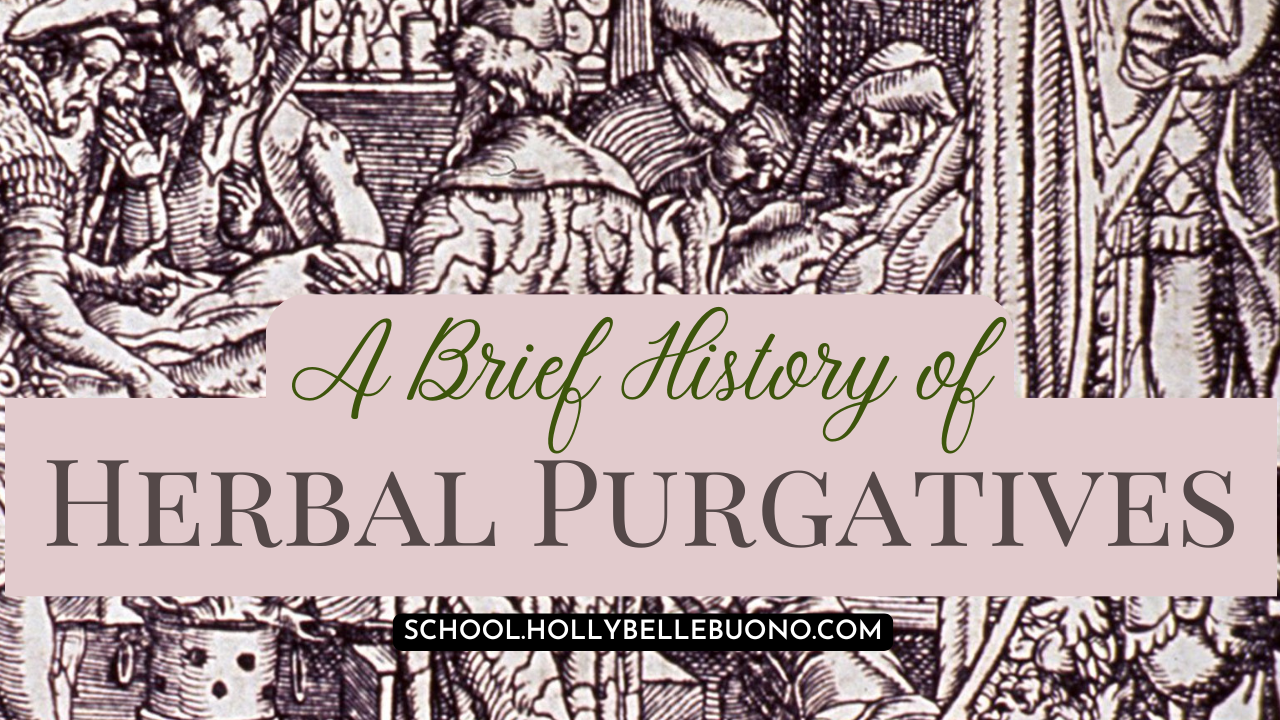
There's a reason today's herbalist are interested in holistic and gentle remedies. It hasn't always been so -- in fact, throughout history, doctors and caregivers assumed that harsh and violent medicines (that showed a visible reaction in the patient) were the only worthwhile ways to support someone's health.
Today, thankfully, we are inching toward a better understanding of how healing works and of science in general, and herbalists have greater ability to use gentle supportive herbs in many cases, rather than purgatives.
If you've followed me for any length of time, you know I use tonics quite a bit (nourishing, gentle, and food-like herbs full of nutrients and generally "toning" to a body system). I also based my 4-Tier Formulary on tonic herbs. But here, we'll talk about the opposite type of herb: the purgative.
What Are Purgatives?
In centuries past, it was the doctor’s great joy to “see” the results of a treatment. Physicians assumed that if the body evacuated liquid, the patient must be getting better.
Blood-letting was common practice, wherein a doctor would tap into the veins of a patient and remove blood (sometimes liters at a time) in the belief that the blood was somehow dirty and bleeding the patient would help them. (Of course, it usually did the opposite.)
But blood wasn't the only liquid in need of purging.
Sick people were given harsh herbs and poisonous minerals such as mercury that made them expel liquids from all parts of their bodies: they would salivate, drool, vomit, expel diarrhea, urinate, cry, and/or sweat profusely. Seeing saliva, vomit, sweat, tears, stools, and urine exit the body were all signs that a doctor was doing a good job.
The doctor was thrilled to see these liquids coming from the person's body and he assumed that this meant progress and healing, but the poor patients usually suffered extreme pain, confusion, and dehydration before they either died or (through no credit to the doctor) lived.
Thankfully, health care providers today–especially herbalists–generally use gentler methods. We even have a new category of herbs called tonics, and I’m a fan of using tonics for preventive medicine.
What Are Tonic Herbs?
We're not talking about tonic drinks or sodas that you would mix with gin. Instead, "tonic" is a category of herbs that are so gentle they are nourishing, healing, and could even be daily foods.
Tonic herbs are super nourishers, building your body, developing your immune system, strengthening your mental capacity and emotional strength from the inside out. Nettles and alfalfa are examples of top herbal tonics because they are nutrient-dense, gentle on the body, and useful as foods. They also meet another of my criteria for tonics: they are plentiful herbs and are not at-risk of extinction and they are accessible: they can be harvested or obtained fairly easily.
Another great tonic is oats. We normally think of this as a food (oatmeal and granola, for instance) but the herb itself contains more than just the edible grain. The milky oat tops and the straw (or stalk) are both used in herbal medicine to nourish and support a person as they are extremely high in minerals and micronutrients, and as such they are tonics. There's also slippery elm bark which has, for centuries, been used as a sort of gruel for people to eat when they are depleted or exhausted.
Contrast these with stronger or bitter herbs such as motherwort, dandelion, echinacea, or St. John's wort. These herbs are definitely medicinal but they're not what you would use on a daily basis or as a food source, or to support long-term nourishing health because they are simply too strong, so they are not tonics.
Tonic herbs are a special class of plants that are invaluable support for certain phases or times in our lives: when we are suffering a chronic illness, when we are debilitated or injured, when we are old and feeble, and when we are exhausted. There's also another category called adaptogens--herbs that give endurance and long-term stamina and are especially useful for exhaustion, but these are a bit stronger than simple, gentle tonics. To learn more about adaptogens, check out my Herbs for the Brain courses.
Interested in learning more? There are two great ways:
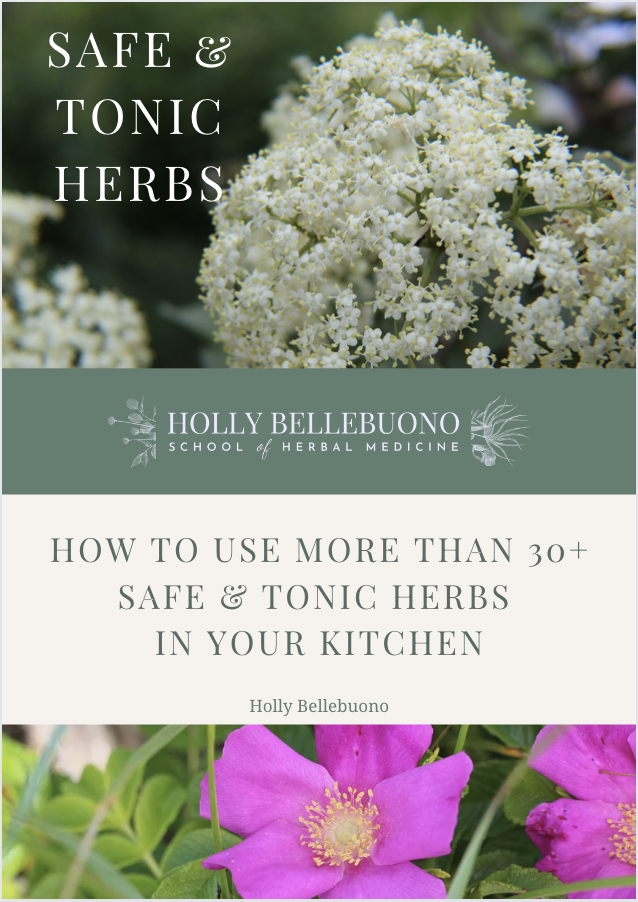
- My e-book Safe & Tonic Herbs: How to Use More Than 30+ Safe and Tonic Herbs in Your Kitchen shares tips and guidance for making the most of nourishing, tonic herbs. Download it here to get started with herbal medicine using herbs that are reliable, safe, easy, and nourishing.
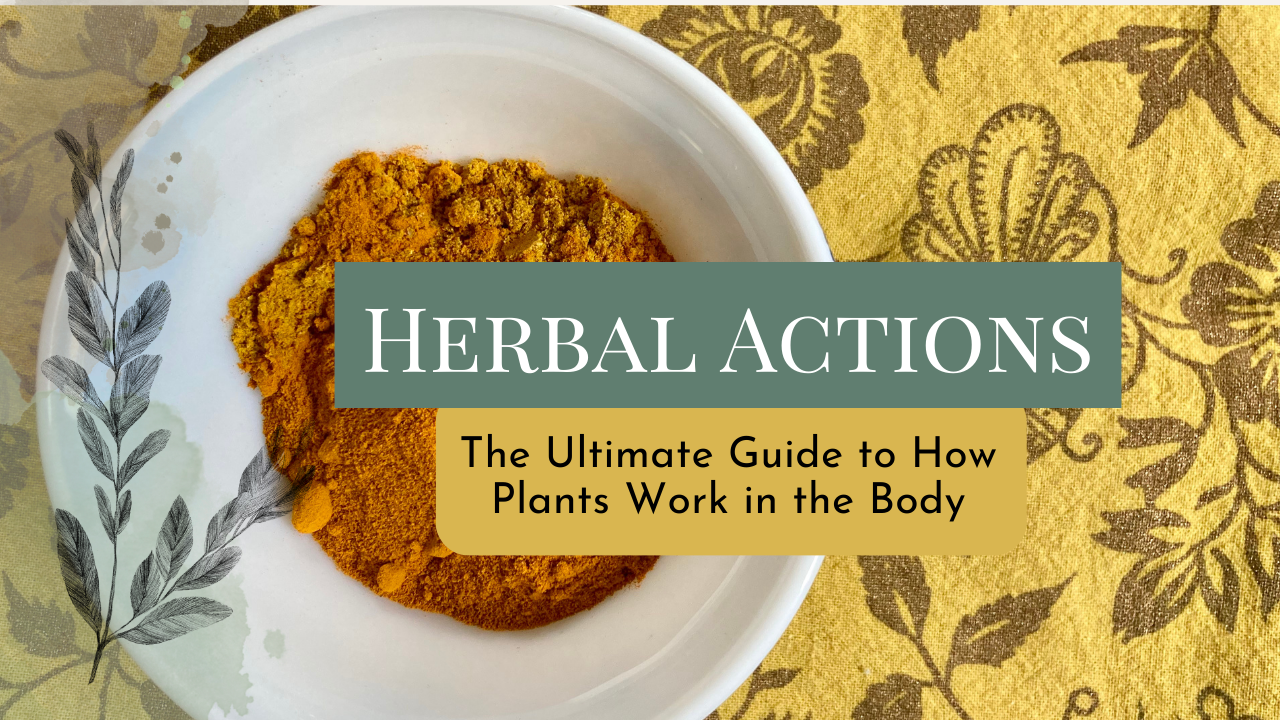
- My Herbal Actions Course, a self-paced comprehensive course exploring 35 herbal actions, or characteristics, that make working with plant medicines so much more organized and less intimidating.
Be well and pursue those gentle herbs!
In health,
Holly
The Bellebuono School of Herbal Medicine
#tonics #herbalism #naturalhealth #safeherbs #bellebuonoschoolofherbalmedicine